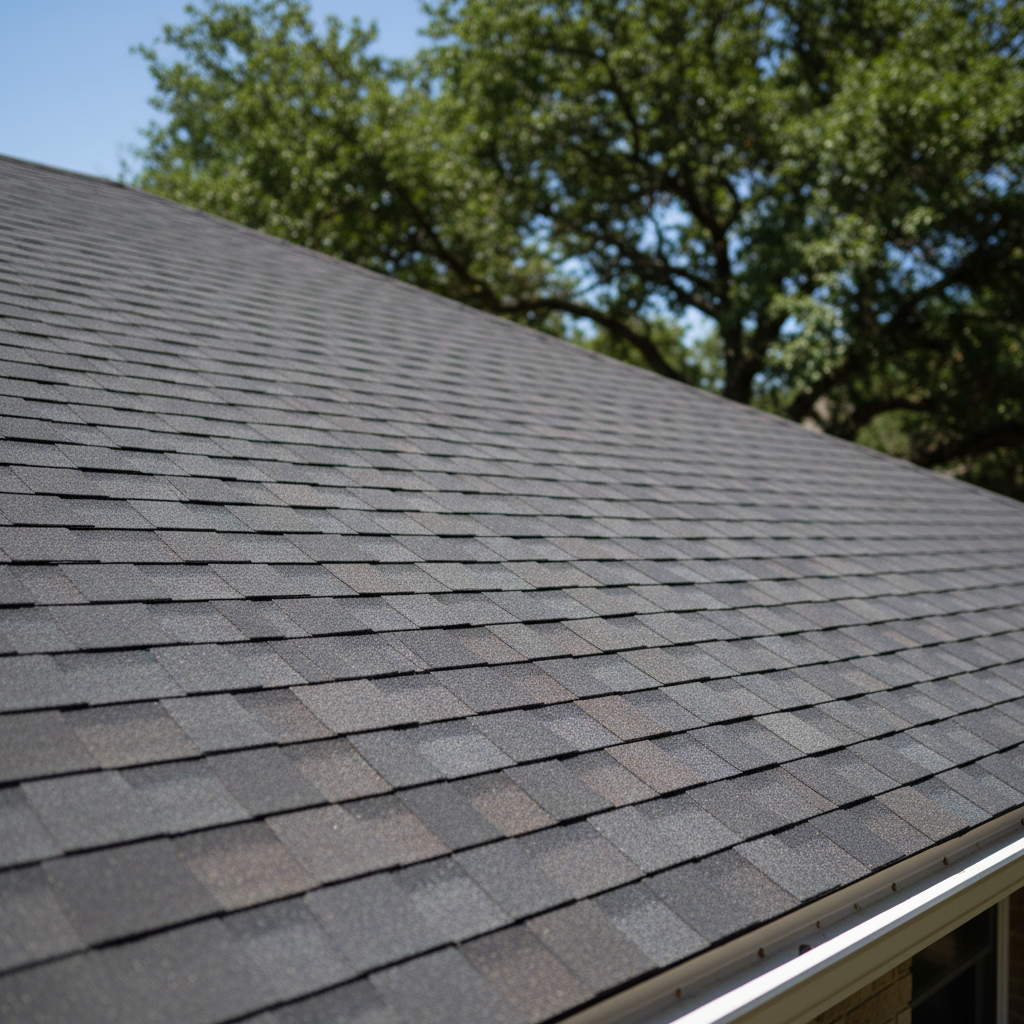
Alright, let's talk about asphalt shingles. If you live in Moore, chances are good you've got 'em on your roof, or you're thinking about getting 'em. They're the most popular choice for a reason, but that doesn't mean folks don't have a ton of questions. I get asked the same stuff all the time, so I figured I'd just lay it all out here. No fancy sales pitch, just straight talk about what you need to know.
How long do asphalt shingles really last around here?
That's probably the number one question I hear. The truth is, it depends on a few things, but let's be real: the manufacturer's warranty isn't always what you're actually going to get in Moore, Oklahoma. Those warranties are often based on ideal conditions, not our crazy weather. You've got your basic 3-tab shingles, which might give you 15-20 years if you're lucky and don't get hit by too many storms. Then you've got architectural or laminate shingles, which are thicker and tougher. Those usually come with a 30-year or even a 'lifetime' warranty. For us, 'lifetime' usually means about 25-35 years before they're really showing their age or taking too much abuse from the elements. The sun beats down hard here, and the constant expansion and contraction from temperature swings, plus our notorious hail, really puts them to the test. Regular maintenance, like keeping your gutters clean and trimming back overhanging branches, can definitely help extend that lifespan.
What's the deal with hail damage? Can I spot it myself?
Oh, hail. It's a fact of life in Moore, isn't it? We get some serious hailstones rolling through here, especially in the spring. Yes, you can definitely look for signs of hail damage yourself, but I always recommend getting a professional opinion. What you're looking for are little black spots where the granules have been knocked off the shingle, exposing the asphalt mat underneath. They often look like bruises or divots. Sometimes, you'll see cracks or even holes in the shingles. On metal vents or flashing, you might see dents. It's not always obvious from the ground, especially on a steep pitch. And here's a tip: don't just look at the sunny side of your roof. The north-facing slopes often get hit harder because the hail comes in at an angle and doesn't slide off as easily. If you suspect hail damage, call us at Moore Roofing Company. We'll do a thorough inspection and give you an honest assessment.
Do I really need to get my roof inspected regularly?
Absolutely, you do. Think of it like changing the oil in your car. You wouldn't wait until the engine seizes up, right? For your roof, I'd say at least once a year is a good idea, especially after our severe storm seasons. A lot of problems start small: a loose shingle, a tiny crack in the flashing, a bit of debris buildup. If you catch those things early, they're usually cheap and easy to fix. If you let them go, they can turn into major leaks and expensive repairs down the road. Plus, an annual inspection gives you peace of mind. It's a small investment that can save you a huge headache and a lot of money in the long run.
Are darker shingles hotter than lighter ones? Will that affect my energy bill?
That's a good question, and the short answer is yes, darker colors absorb more heat. It's just basic physics. A black or dark gray roof is going to get hotter in the sun than a light gray or tan one. Does it impact your energy bill? Potentially, especially if your attic isn't properly ventilated. A super hot attic means your AC system has to work harder to keep your house cool. Now, modern shingles, even dark ones, often have reflective granules designed to bounce some of that solar energy away. So, while a lighter color might offer a slight edge in terms of heat absorption, proper attic ventilation and insulation are usually bigger factors in your energy efficiency than shingle color alone. Don't pick a color you hate just to save a few bucks on your electric bill; focus on the whole system.
My shingles are curling/cracking/missing granules. What's going on?
These are all classic signs of an aging roof, or sometimes, a roof that's taken a beating. Curling, especially at the edges or in the middle, usually means the shingles are drying out and losing their flexibility. That's often a sign of age. Cracking can also be age-related, or it could be from thermal shock – the constant heating and cooling we experience here. Missing granules, as we talked about with hail, can be from storms, but it also happens naturally over time as the sun and rain wear them away. Those granules protect the asphalt from UV rays, so once they're gone, the shingle deteriorates much faster. Any of these signs mean your roof is nearing the end of its life, or it's been damaged and needs attention. Don't ignore them, because they're basically flashing a big red light that says, 'I'm about to leak!'
Can I just repair a few damaged shingles, or do I need a whole new roof?
This is where an honest assessment from a pro really matters. If you've just got a few shingles blown off in a windstorm, or a small area of hail damage, often times a repair is perfectly fine. We can match the shingles as closely as possible and get you sealed up. However, if the damage is widespread – say, 25% or more of your roof is affected – or if the shingles are old and brittle, trying to repair them can actually cause more damage. When old shingles are disturbed, they tend to break apart, making it impossible to do a clean repair. Plus, if your roof is already old and failing in multiple spots, a repair is just a band-aid. You'd be better off putting that money towards a full replacement that will give you decades of protection. It really comes down to the extent of the damage and the overall condition and age of your existing roof.
Look, your roof is the first line of defense for your home against everything our Oklahoma weather throws at it. Don't cut corners, and don't be afraid to ask questions. That's what I'm here for.